
Jaimee Paniora
Credentialled Diabetes Educator / Registered Nurse (Masters of Nurse Practitioner in progress)
Healthy Futures After Gestational
Diabetes Australia
Too many women feel abandoned after Gestational Diabetes Mellitus (GDM).
After working with hundreds of women diagnosed with GDM, I've seen a critical gap: the lack of support, education, and community in the crucial years following pregnancy.
It's all too common—you're told both you and your baby face increased risk of type 2 diabetes (T2D), then receive little more than a brochure or link to an online program. You're left to navigate it alone while managing sleep deprivation, baby brain, and the demands of motherhood.
This happened to my own sister in her mid-20s after two GDM pregnancies within three years. Despite good intentions, logging on to learn and implement changes as an exhausted new mum proved overwhelming. I knew something had to change.
This is where Healthy Futures After GDM was born.
With nearly 30 years living with type 1 diabetes and 20+ years in healthcare, I knew I could help my sister—but I also knew she'd thrive with a community of women who truly understand.
The goal? Reduce the stats showing approximately 50% of women will develop T2D after having GDM. Research shows children of women who have had GDM are also at risk. But here's the crucial part: none of this is inevitable and you do have control.
You can enjoy a healthy, fulfilling life while reducing T2D risk for you and your children—without feeling overly restricted. Through lifestyle education, health technology, ongoing strategies, and genuine support, we'll help you succeed.
I've partnered with a compassionate Credentialled Diabetes Educator /
Accredited Practising Dietitian to guide you.
Join our private Facebook group for a supportive community of women committed to thriving after GDM, featuring live Q&As, education sessions, shared experiences, and exclusive offers as we grow. We hope to meet you inside!

Individual Insight Program
A specialised program is coming!
We are currently developing an individualised, evidence-based program for women after GDM — combining the latest health technology, personalised pathology, continuous glucose monitoring, and dedicated support from a multidisciplinary clinical team.
Join our free private Facebook community now to be first to hear when places become available — and to access free education and support in the meantime."
Please feel free to book a complimentary call below if you would like to
learn more or discuss anything relating to your health after having had GDM.
Helping you to stay healthy after GDM

Why health is so important after gestational diabetes
Understanding how GDM can impact on your future health helps you to make informed decisions & helps you take charge of your health, and your family's.

Important things to know
Many factors beyond food & exercise can impact on insulin resistance & future risk for type 2 diabetes. Below are some key components to help you & your family on your health journey.

Explaining type 2 diabetes
& how to reduce risks
Type 2 diabetes is often a slow, progressive condition that develops over years. GDM does increase the risk. Understanding factors impacting on this progress allows you to modify factors you have control over.
How Healthy Futures after GDM can help

Understanding glucose & insulin responses
Glucose responses to different foods, activities & situations vary amongst us all - as you may well know from your GDM experience. Understanding YOUR response is key to being able to reduce risks for type 2 diabetes.

How you can manage this with everyday actions
Small changes on a day to day basis can make a BIG difference in the long-term. Looking at the things you can change now can help reduce your health risks later in life.

How exercise impacts on glucose levels & insulin
From planned exercise to just moving more - this can also make a BIG difference on your current & future health. You may recall this from your GDM experience where a short walk helped keep your glucose levels in range compared to sitting after eating.
How different foods impact on glucose & insulin
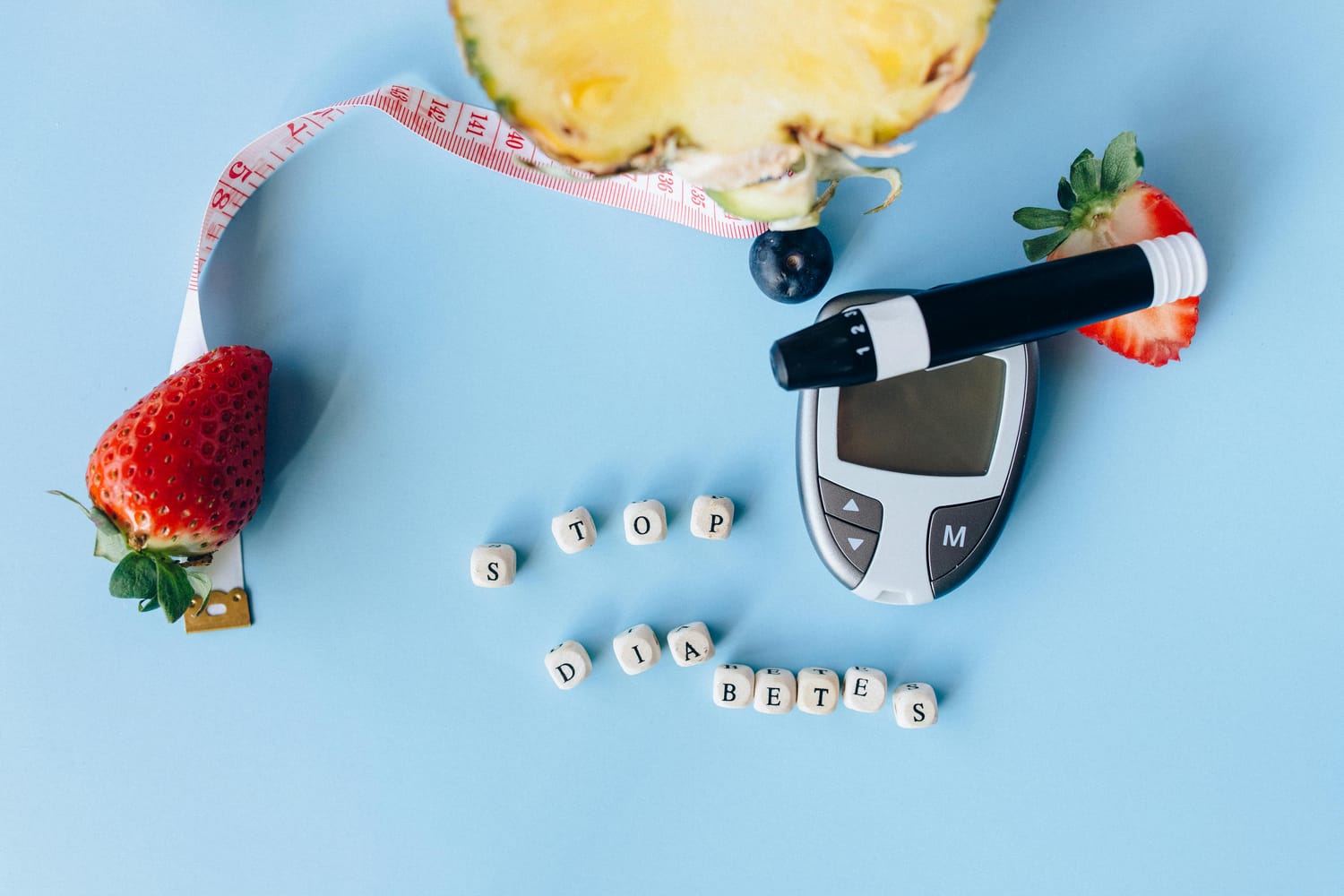
As previously mentioned, we can all experience different glucose responses in relation to food, & these will change over time as we age. Learning how your body responds is truly key to your health now & in the future.

How stress impacts on glucose & insulin
Stress can be unavoidable, but it can also play a big role on glucose metabolism & risks for health problems, including type 2 diabetes. Taking time to explore your current stress levels & considering how this may impact on your health is a key component in understanding insulin resistance & risk for type 2 diabetes.

How you can still enjoy the things you love
Healthy Futures After GDM is all about empowering you to make informed decisions as you learn more about your body. Implementing small, healthy changes while still being able to enjoy things without feeling guilty is extremely important. One of the main focuses is healthy Mum, healthy family (with support). Food is a big part of life; we need to be able to enjoy it & this is absolutely possible.
How you can learn more about what's
happening in YOUR body?
Continuous Glucose Monitors (CGM)

Continuous glucose monitoring means using a device automatically reading your glucose level, also called blood sugar, throughout the day & night. You can see what your blood glucose level is at any time. Seeing your glucose levels in real time can help you make more informed decisions about the food & beverages you consume, the physical activity you do, stress, illness & more.
Fasting Insulin Levels
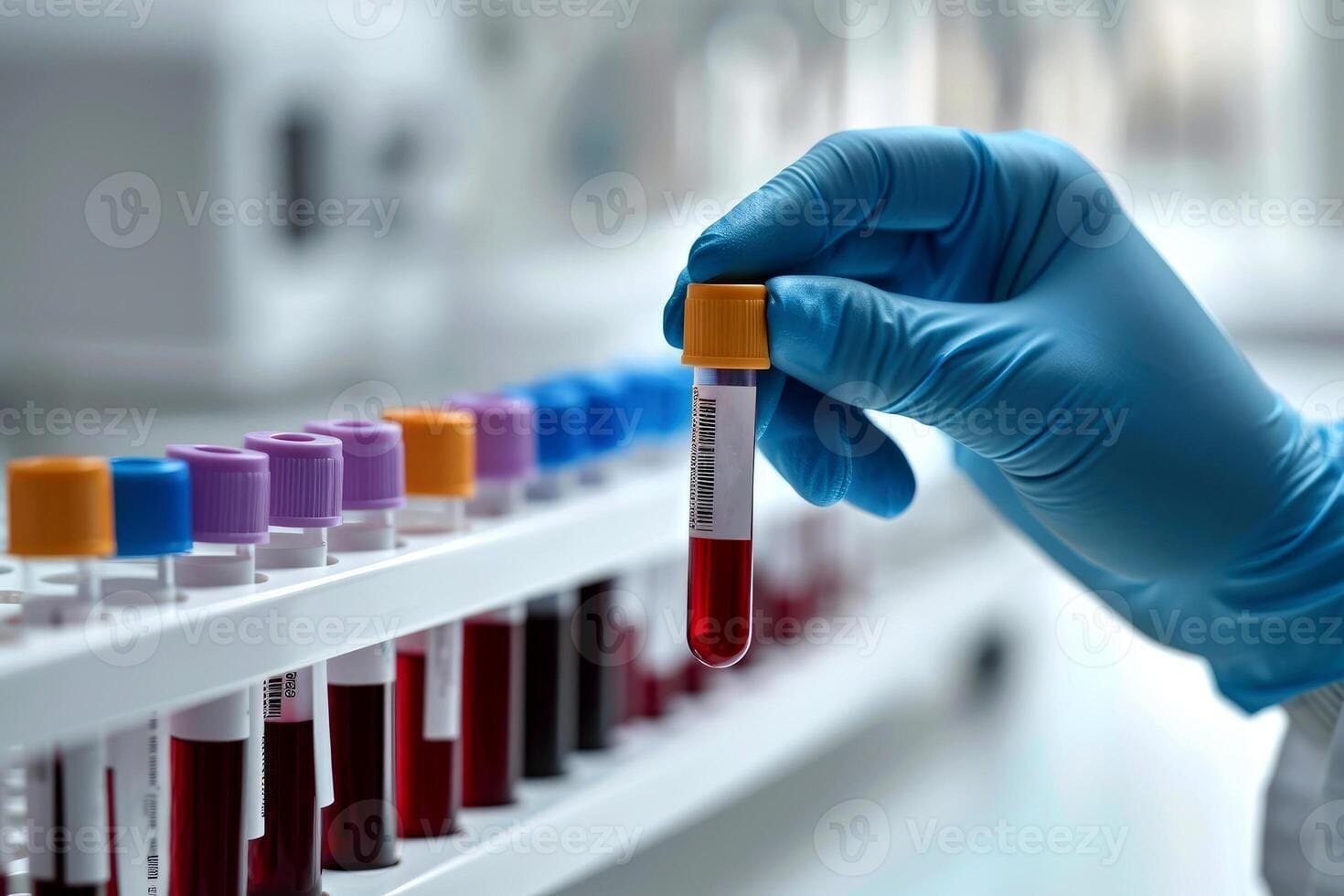
Insulin resistance detection - Elevated fasting insulin (hyperinsulinemia) indicates the body needs more insulin to maintain normal glucose levels, often appearing years before glucose becomes abnormal
Beta cell function status - The relationship between fasting glucose and insulin helps assess whether the pancreas is compensating appropriately or starting to fail
Metabolic syndrome risk - High fasting insulin is associated with increased cardiovascular risk, independent of glucose levels
Haemoglobin A1c
(HbA1c)

HbA1c is a blood test giving an 'average' of what your glucose levels have been over the past 2-3 months. It can be ordered by your doctor to identify your risk of type 2 diabetes, or in some instances can show whether type 2 diabetes is present. It can also be useful to compare to your previous HbA1c results.
Sign up for exclusive member resources & offers!
(You will not be bombarded with marketing material or spam. This is for genuine information & offers only)
Schedule a Consultation
To schedule a consultation, simply fill out the form below, and I'll get back to you within 24 hours to confirm your appointment and discuss the details of your project further.